
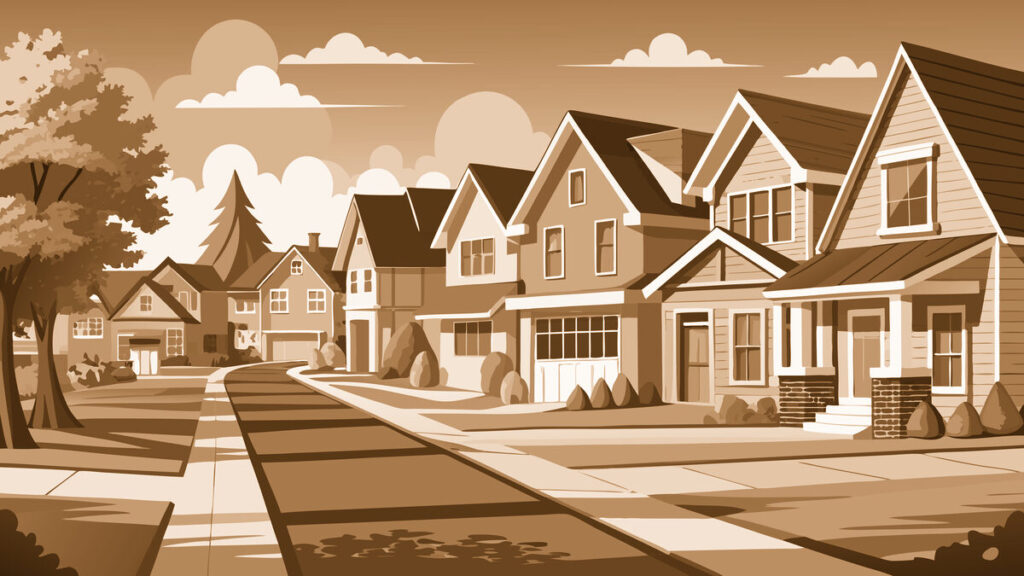
Introduction: Welcome to Broad Street
Nestled in Portsmouth’s west end, Broad Street stands as both a historic avenue and a living testament to the city’s ever-evolving charm. For those who stroll past its classic homes or linger in its leafy shadows, Broad Street reveals layers of local history, cherished traditions, and a sense of place that endures through centuries.
The Origins of Broad Street
Broad Street’s story begins in the late 1700s, as Portsmouth’s maritime prosperity spilled westward from its bustling harbor. It’s named, fittingly, for its notably generous width—a rarity in New England’s maze of narrow roads. Early city surveyors designed Broad Street as an artery to accommodate horse-drawn carriages and, later, trolley lines, giving it a stature that other nearby lanes could only envy.
The first Broad Street houses sprouted up in the early 1800s, marked by Federal and Colonial Revival architecture. Many were built by shipbuilders and merchants who sought respite from the swelling downtown bustle. With its spacious lots and generous set-backs, Broad Street quickly became a prestigious address for Portsmouth’s rising families.
Key Historical Milestones
- 1806: Founding Families Build the First Mansions
Local records highlight the construction of the Wilcox and Abelson homes—grand brick houses that still anchor the eastern end of Broad Street.
- 1873: First Public Park Established
Broad Street Park, nestled where the street meets Middle Road, was created as a tree-lined refuge. It became a symbol of civic pride and a gathering place for residents.
- Early 1900s: Streetcar Era Arrives
Broad Street served as a key route for Portsmouth’s streetcars, changing the neighborhood’s pace and accessibility. This boost in convenience led to a growth in Victorian-era homes and increased commerce at the intersection with Islington Street.
- 1930s: The Great Depression and Community Gardens
With hard times came resilience. Residents transformed Broad Street Park into a victory garden, and neighbors banded together to support one another—a legacy that echoes today in annual block parties and food drives.
- Post-War Boom and the Era of Change
As Portsmouth’s population grew after WWII, Broad Street saw a wave of new construction, including the well-known West End Library branch. The library quickly became a neighborhood hub for generations of schoolchildren.
Notable Landmarks and Architecture
One of Broad Street’s most striking qualities is its collection of preserved homes and historic spaces.
- Wilcox House (1820s): This Federal-style mansion, with its elegant columns and original clapboards, is a stop on Portsmouth’s annual historic homes tour.
- Broad Street Park: Shaded by century-old elms and home to seasonal flower beds, the park remains a favorite spot for summer picnics and autumn walks.
- West End Library Branch: Built in 1957, the mid-century building (at the corner of Broad and Cass Streets) is emblematic of Portsmouth’s postwar optimism and commitment to community life.
- St. Andrew’s Chapel: Tucked on a quiet section of Broad Street, this modest stone chapel is beloved for its historic stained glass and its annual candlelight services.
A stroll down Broad Street reveals not just high-style mansions but also sturdy Victorian cottages, picturesque Cape Cods, and the occasional carriage house—a living record of the city’s architectural evolution.
Community and Culture Through the Decades
The special character of Broad Street is founded on community bonds. From the outset, neighbors gathered for ice cream socials and holiday parades, traditions that blossomed as the population diversified over the decades. While the 1970s brought new apartments and the arrival of a creative arts scene, Broad Street’s locals held onto their sense of heritage, often volunteering at the library or for the Broad Street Beautification Committee.
Today, a walk down Broad Street is a stroll through living history. Laughter spills from the playground at Broad Street Park, and flower boxes brighten nearly every porch. Homeowners share stories of the legendary “pirate tunnels” rumored to connect distant cellars—a wink at Portsmouth’s maritime past. Each Halloween, the street transforms as residents band together to stage dazzling decorations, drawing families from all over the city.
How Broad Street Has Evolved
Though its roots stretch deep, Broad Street is more vital than ever. In recent years:
- Longtime families and newcomers blend seamlessly, forging intergenerational connections.
- Restoration projects ensure historic details are maintained even as homes gain modern comforts.
- The local West End Library expanded its offerings to encompass art classes, genealogy workshops, and story hours for kids.
- Traffic-calming measures and fresh landscaping keep the neighborhood pedestrian-friendly and inviting.
Despite growth, Broad Street has never lost the neighborly warmth that is its hallmark. Whether it’s a yard sale or a snowstorm, the people of Broad Street look out for one another—and for the rich heritage that makes this corner of Portsmouth unforgettable.
Conclusion: Why Broad Street Endures
To understand Portsmouth is to understand its neighborhoods, and Broad Street is among the most beloved. Its tree-shaded walks, lovingly preserved homes, and welcoming spirit invite residents and visitors alike to step into a living story. Whether recalling its beginnings in the days of clipper ships or witnessing new chapters unfold, Broad Street stands as a testament to the enduring power of local history, community, and pride.